Venezuela Visa Requirements 2026: Entry Rules & Fees
The year 2026 has brought unprecedented, historic shifts to Venezuela’s travel landscape. For nearly a decade, geopolitical friction, suspended diplomatic relations, and severe travel advisories made entering Venezuela an incredibly complex, if not impossible, endeavor for many Western travelers.
However, a dramatic series of policy updates in early 2026 has completely rewritten the playbook. In March 2026, the U.S. Department of State downgraded its long-standing Level 4 "Do Not Travel" advisory for Venezuela to a Level 3 "Reconsider Travel" status, alongside the resumption of limited operations at the U.S. Embassy in Caracas. Shortly thereafter, on April 30, 2026, the first direct commercial flight from the United States to Venezuela in seven years touched down at Simón Bolívar International Airport.
Accompanying these diplomatic thaws is a brand-new digital immigration framework. Whether you are planning a long-awaited tourist adventure to Angel Falls, a family reunion, or a critical business trip, navigating the **venezuela visa requirements 2026 entry rules** is now vastly different than in previous years. This comprehensive guide provides everything you need to know to ensure a seamless entry.
Before planning your journey, we highly suggest reviewing our travel safety blog to stay informed of local security situations and health advisories.
---
The Ultimate Guide to Venezuela Visa Requirements 2026 Entry Rules
Venezuela’s entry rules are strictly enforced. Entering without the correct visa or appropriate documentation risks immediate detention, heavy fines, and deportation. In 2026, the Venezuelan government has significantly modernized its immigration protocols, introducing streamlined electronic pathways while maintaining tight security controls at its borders.
Who Needs a Visa for Venezuela? Passport-by-Nationality Breakdown
Venezuela categorizes global travelers into two distinct pathways: those who enjoy visa-free entry for tourism and those who must obtain an electronic or sticker visa prior to travel.
Under the updated **venezuela visa requirements 2026 entry rules**, passport holders from approximately 85 countries can visit Venezuela without securing a visa beforehand.
Visa-Free Nationalities (Tourism Only - Up to 90 Days): This category includes citizens of all 27 European Union member states, the United Kingdom, Australia, New Zealand, Brazil, Colombia, Argentina, South Africa, South Korea, Turkey, Russia, and Mexico. Citizens from these countries may enter Venezuela for recreational or non-remunerated purposes without an advance visa.
Visa-Required Nationalities: If your passport is from the United States, Canada, Singapore, China, India, or most nations across Africa and the Middle East, you must obtain a visa before boarding any flight to Venezuela. Visas are absolutely not available on arrival under any circumstances.
For detailed itineraries, regional highlights, and practical safety advice for navigating South America, check out our travel guides.
Visa-Free Entry for Tourists
If you hold a passport from one of the 85 visa-free nations, entering Venezuela is straightforward. Upon arrival at any international airport of entry, such as Caracas (CCS), you will be issued a Tourist Card (Tarjeta de Turismo), which is stamped directly into your passport.
This stamp grants you a legal stay of up to 90 days. According to the UK Foreign, Commonwealth & Development Office (FCDO), this tourist stay can typically be extended once for an additional 90 days by applying in person and paying a processing fee at any local office of the *Servicio Administrativo de Identificación, Migración y Extranjería* (SAIME), Venezuela’s immigration authority.
However, there is a critical caveat: visa-free entry applies primarily to travelers arriving by air. If you plan to enter Venezuela via overland border crossings or by sea, the immigration authorities reserve the right to demand a pre-arranged visa, even if your nationality is technically exempt for air travel. Always verify with your transport provider or local consulate if executing a land crossing.
The New Electronic Visa (e-Visa) System
For travelers who do require a visa—most notably citizens of the United States and Canada—the process of acquiring one was historically a major logistical nightmare. Because Venezuela closed its consulates in the U.S. in 2019, American travelers had to mail their physical passports to consulates in third countries, such as Mexico or Colombia, resulting in months of waiting.
This changed radically on April 6, 2026, when the Venezuelan Ministry of Foreign Affairs implemented a mandatory electronic visa (e-Visa) portal for U.S. citizens. Recognizing the success and efficiency of this digital transition, on **May 6, 2026**, the Ministry officially expanded the e-Visa system, making it available to **nationals of all countries** traveling to Venezuela under the Tourist Visa (T) and Business Visa (TR-N) categories.
This new system eliminates the need for physical consular visits or mailing physical passports. Applicants can complete the entire application, upload their digital documents, pay fees, and receive their approved e-Visa entirely online.
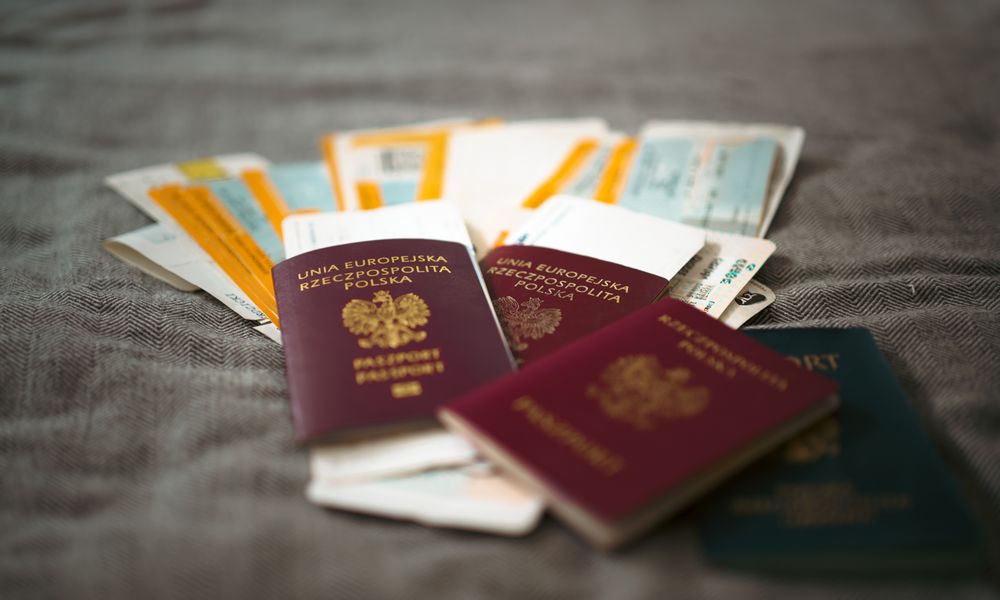
South america travel planning passport
---
Step-by-Step Guide to Applying for the Venezuela e-Visa
If your nationality requires a visa, you must submit your application through the centralized online government portal known as the **Cancillería Digital**. The digital system is designed to expedite administrative handling and reduce wait times, though travelers should still prepare for technical nuances.
An important practical detail noted by recent travelers is that the **Cancillería Digital portal** is hosted entirely in Spanish, with no official English translation options available. Travelers who do not speak Spanish should utilize a real-time web browser translator to navigate the registration and application fields.
Create an Account: Visit the official website of the Venezuelan Ministry of Foreign Affairs (MPPRE) and access the Cancillería Digital portal. Register an account using an active email address and set up your login credentials.
Select Visa Category: Choose between a Tourist Visa (T)—for leisure, recreation, medical, or family visits—or a Business Visa (TR-N) if traveling for commercial negotiations, meetings, or contract discussions.
Complete the Electronic Form: Enter your personal details, passport specifications, contact information, and exact travel itinerary. Ensure that the data matches your passport exactly; even a minor typo can result in immediate rejection.
Upload Supporting Documents: Upload high-resolution PDF or JPEG scans of your passport bio-page, passport-sized photographs, and all supporting evidence (detailed below).
Pay the Government Fee: Process your payment digitally through the portal's integrated payment system. Note that due to international sanctions, certain Western credit cards may experience processing errors, and you may need to utilize alternative international cards or payment services approved by the portal.
Receive and Print Your Visa: Once your application is reviewed and approved, your e-Visa will be issued in electronic format and sent directly to your registered email. You must print this e-Visa in high resolution and carry it with you, as border officials will inspect and scan the physical printout upon arrival.
Required Documents for Entry in 2026
Regardless of whether you are entering visa-free or utilizing the new e-Visa system, Venezuelan immigration officials at airport border controls enforce strict documentation checklists. Ensure you have physical, printed copies of the following:
Passport Validity: Your physical passport must have an expiration date at least 6 months beyond your planned departure date from Venezuela. It must also be in excellent physical condition, with no loose pages, significant water damage, or tears, and have at least two blank pages.
Printed e-Visa (If Applicable): If you are a citizen of a visa-required country, you must present the high-quality paper printout of your approved electronic visa.
Proof of Onward or Return Travel: You must present a confirmed return or onward travel ticket showing you will exit the country within your authorized 90-day stay. Travelers arriving on one-way tickets are routinely denied boarding by airlines or turned away at Venezuelan border control.
Proof of Accommodation: You must present either a confirmed, paid hotel booking covering the duration of your stay, or a notarized letter of invitation from a legally resident host in Venezuela. If using an invitation letter, it must include the host's complete home address, contact number, and a copy of their national identity card (*Cédula de Identidad*).
Proof of Sufficient Funds: Immigration officers may demand to see evidence that you can financially support yourself during your stay. This can be demonstrated via recent bank statements (printed within the last 30 days) showing liquid assets, or by carrying sufficient physical cash (specifically USD or Euros, which are widely accepted in Venezuela).
Yellow Fever Vaccination Certificate: While not a blanket requirement for all global arrivals, the World Health Organization (WHO) and Venezuelan Ministry of Health mandate a **Yellow Fever vaccination certificate** if you are arriving from, or have transited for more than 12 hours through, an endemic country—most notably neighboring Brazil.
Fees and Processing Times for the e-Visa
The transition to a digital system has significantly expedited processing times, though it has come with an increase in government fees to cover administrative and digital infrastructure costs.
Visa Fees: The standard application fee for a Venezuelan Tourist Visa (T) or Business Visa (TR-N) under the e-Visa system is USD 180. This is a non-refundable processing fee, meaning it will not be returned if your visa application is denied.
Processing Time: Standard digital processing is estimated to take between 15 to 30 days from the date of final document submission. Because there is no expedited "express" service, travelers are strongly urged to apply at least 4 to 6 weeks before their scheduled flight.
Visa Validity: Once approved, both tourist and business e-visas are valid for one year. They are issued as multiple-entry visas, allowing you to enter and exit the country multiple times, provided that each individual stay does not exceed 90 days.
Online visa application document form
---
May 2026 Updates: New Venezuela Visa Requirements 2026 Entry Rules
The geopolitical and regulatory landscape of Venezuela remains highly fluid. Keeping up with real-time adjustments is critical for any traveler planning a trip. The month of May 2026 has introduced highly specific changes that reflect Venezuela's gradual re-integration into global tourism and international business networks.
Recent Legislative Changes and Diplomatic Thaw
The most significant update in May 2026 is the **expansion of the e-Visa system to all global nationalities**. Following the initial April rollout restricted only to U.S. citizens, the Venezuelan Ministry of Foreign Affairs finalized the technical infrastructure to support global passport holders as of May 6, 2026. This has drastically lowered the barrier of entry for business travelers and tourists from countries like Canada and Singapore, who previously had to submit physically to faraway embassies.
Simultaneously, the commercial sector has seen changes. On April 14, 2026, the United States Department of the Treasury's Office of Foreign Assets Control (OFAC) issued General License 56 (GL 56), which authorizes commercial contract negotiations with the Government of Venezuela, provided any final contract execution is contingent on future authorizations. This has triggered a surge of corporate and legal personnel applying for Business Visas (TR-N) through the new digital portal.
Furthermore, flight permissions have eased. According to the May 2026 operational updates from the National Institute of Civil Aviation (INAC), private and commercial charter operations from international hubs have been granted streamlined temporary landing permits, with fees structured between **110 EUR and 410 EUR** depending on the duration of the permit (ranging from 15 to 90 days).
Transit Visas and Land Border Crossing Rules
If you are transiting through a Venezuelan airport to catch a connecting flight to a third destination, a transit visa is generally not required, provided you remain in the international transit area (airside) and your connection departs within 24 hours. You must hold a confirmed onward ticket and all necessary entry documents for your final destination to be allowed to board your transit flight.
However, if your transit requires you to clear immigration—either to change airports, collect baggage, or check in for a separate ticket—you must meet the standard visa requirements of your nationality.
When it comes to **land border crossings**, travelers must exercise extreme caution. Venezuela shares long, porous borders with Colombia and Brazil. While international crossings have reopened, the U.S. State Department and other global advisories strongly warn against crossing via land. The 20-mile zone along the Colombia-Venezuela border remains designated as a Level 4 "Do Not Travel" zone due to active criminal networks, armed groups, and the high risk of kidnapping.
Furthermore, Venezuelan border guards at land checkpoints do not have the infrastructure to process or issue tourist cards, and they cannot print or verify e-visas that have not been pre-synchronized with their local databases. Entering Venezuela via an unauthorized or informal land crossing is considered illegal entry, and travelers who do so are subject to immediate detention.
Overstay Penalties and Compliance in Venezuela
Overstaying your authorized period of stay in Venezuela (whether the 90 days granted under a tourist card or the 90 days allowed per entry on an e-Visa) is a serious administrative and legal violation. Venezuela does not take overstays lightly, and there is no simple "exit fee" fine that can be quickly paid at the airport checkout counter.
If you overstay, you will likely be detained at the airport or border control when attempting to exit the country. You will be escorted to a SAIME immigration office, where you will undergo an official investigation. Penalties include:
Significant monetary fines calculated based on the length of the overstay.
Formal deportation proceedings, which can take days or weeks of administrative detention to arrange.
An official ban on re-entering Venezuela, ranging from 2 to 10 years depending on the severity of the violation.
If you find that you must extend your stay due to unexpected emergencies, medical issues, or flight cancellations, you must proactively apply for an extension at a SAIME headquarters *before* your current visa or entry stamp expires. You will be required to show proof of the emergency (such as a medical certificate or airline delay notice) and pay an extension processing fee.
Airport immigration border control queue
---
Preparing for the Unexpected: What to Do if Rules Change
In the fast-paced realm of international travel, immigration rules can and do change with little to no warning. This is particularly true for destinations like Venezuela, where diplomatic relations and entry requirements can shift overnight in response to political developments.
If you have already booked a trip to Venezuela and find out that the entry requirements have changed, follow this immediate checklist to protect your investment and avoid being turned away at the border:
Verify the Source: Do not rely on outdated forums or third-party travel websites. Immediately consult the official website of the Venezuelan Ministry of Foreign Affairs (MPPRE) or the nearest active Venezuelan Embassy or Consulate. Check their official press releases or social media channels, as new immigration decrees are always published there first.
Contact Your Airline: Airlines are legally responsible for verifying that passengers have the correct entry documents before boarding. If rules change, airlines receive automated updates through the Timatic system. Call your airline's international desk to confirm what physical or digital documents they will require at the check-in gate.
Utilize Flexible Booking Options: When booking flights and accommodations in sensitive regions, always opt for refundable or changeable tickets. If a sudden policy shift blocks your entry, having flexible terms allows you to postpone your trip without losing your capital.
Secure Comprehensive Travel Insurance: Ensure your travel insurance includes a "Cancel for Any Reason" (CFAR) clause. Standard travel insurance policies rarely cover trip cancellations caused by sudden government visa policy changes, but CFAR policies will reimburse a major portion of your non-refundable expenses.
Frustrated traveler looking at phone
---
How TripGuard360 Protects Your Travel Plans with Real-Time Alerts
The primary challenge of traveling to dynamically evolving destinations in 2026 is that traditional methods of tracking visa rules are fundamentally broken. Travelers often spend hours researching, only to find that an official government decree was quietly signed just days before their flight, rendering their prepared documents obsolete.
This is where **TripGuard360** changes the game.
TripGuard360 is an advanced travel compliance platform designed to monitor global visa and entry rules 24 hours a day, 7 days a week. Utilizing state-of-the-art **Gemini AI**, our system continuously scrapes, parses, and analyzes official government gazettes, foreign ministry portals (including Venezuela’s Cancillería Digital), embassy advisories, and international aviation databases in real-time.
The moment a country updates its entry requirements, modifies its fees, introduces a new e-visa system, or issues a health directive, TripGuard360's AI immediately extracts the changes. Within seconds, the platform sends tailored, instant alerts directly to users via **Telegram and email**.
For example, when Venezuela expanded its e-Visa portal to all global nationalities in May 2026, TripGuard360 subscribers received a detailed breakdown of the portal URL, the new USD 180 fee structure, and the exact digital document requirements before major travel blogs or news outlets had even begun drafting their reports.
With TripGuard360, you are never left guessing, and you will never experience the nightmare of being caught off guard at the border or denied boarding at the check-in gate. Let Gemini AI handle the compliance, so you can focus on the adventure.